

When Will We Learn?
With each passing day, the government shutdown set an ignominious record for its duration. As anticipated, the impact was already being felt right here on Long Island in many ways, by many people. To be clear, the situation superseded politics. Shutdowns of the federal government have the same impact on all of us, regardless of which side we lean towards on Election Day.
As the situation dragged on, and rightfully so, much attention was paid to the hold on funding for the Supplemental Nutrition Assistance Program (SNAP), which sustains nearly 3 million people in New York State, including more than 28,000 in the 3rd Congressional District alone and a total of 183,000 on Long Island. Governor Hochul was correct when she called it nothing less than “a public health crisis that puts the lives of nearly one million New York children and over 800,000 older adults in our state at risk.” While the money the governor fast-tracked to assist food banks throughout the state helped, it never came close to the more than $7 billion the state relies on annually from the federal government for SNAP. With Thanksgiving approaching, and demand for SNAP benefits at record levels, there was an added emphasis on the dire need for the situation to be resolved, but that’s just one day. Food insecurity is all too real for average families just trying to provide the most basic of needs for their loved ones.
With Thanksgiving comes much colder weather and the need to keep our homes warm. Something most of us take for granted, but not those who rely on the programs like the Home Energy Assistance Program (HEAP) to accomplish this. Like SNAP, funding for HEAP was also held up, indefinitely delaying the ability of those most in need to apply for and receive the necessary assistance to heat their homes. Last year, about 70,000 Long Islanders received $19 million from the program, which provides over $287 million statewide. These people will be left out in the cold the next time we have to go through this.
The shutdown highlighted just how reliant Long Island’s economy is on federal spending. According to an estimate published in Newsday during the crisis, the loss of federal employee wages alone would amount to 1% of Long Island’s total GDP for as long as the shutdown lasted, or about $2.4 billion of the roughly $260 billion GDP on an annual basis.
What do all those numbers actually mean in terms of our everyday lives? Well, beyond eating and keeping warm, there are many other impacts, as illustrated in a letter to the members of Long Island’s Congressional delegation during the shutdown written by the Association for a Better Long Island (ABLI). The letter noted that a federal government shutdown “is not a harmless administrative pause, but an active drain on our local economic health.” Adding, “The ongoing impasse, regardless of the policy disagreements driving it, is creating serious, tangible, and far-reaching economic repercussions for the residents and businesses of Long Island.”
In its letter, ABLI, pointed out the effects in many areas of the economy, some of which were already being felt, while others surely would have, had it dragged on even further. These included, but were not limited to: the retail sector, with an anticipated reduction in consumer spending impacting businesses large and small plus local municipalities which rely on resulting tax revenue; Long Island’s 31,000 federal employees, whose duties are deemed “nonessential” and were placed on leave, furloughed, and faced the possibility of losing their jobs permanently; delays in the processing of Small Business Administration (SBA) loans and loan guarantees, starving businesses of necessary operating capital, stifling job creation and paralyzing growth initiatives; infrastructure and development uncertainty, resulting from the freezing of federal grants and programs for essential improvements, including transit, clean energy projects, and environmental remediation; residential real estate, closures or staffing shortages at federal agencies resulting in problems for people seeking to obtain mortgages and flood insurance; research institutions, including Cold Spring Harbor National Laboratory, which saw federal research funds drying up; and air travel, which dealt with well publicized delays and disruptions due to shortages of air traffic controllers straining operations across the national system.
As ABLI pointed out, shutdowns of the federal government compromise the financial security of workers, weaken the viability of large and small businesses, and undermine the public trust in governing institutions.
This was not the first government shutdown, and with just another continuing resolution by Congress essentially kicking the can down the road (yet again), it will most certainly not be the last. It was, however, the longest and most impactful. And most eye opening.
For everyone’s sake, now is the time for both sides to put their differences aside and find a way to work together to prevent this from happening again.
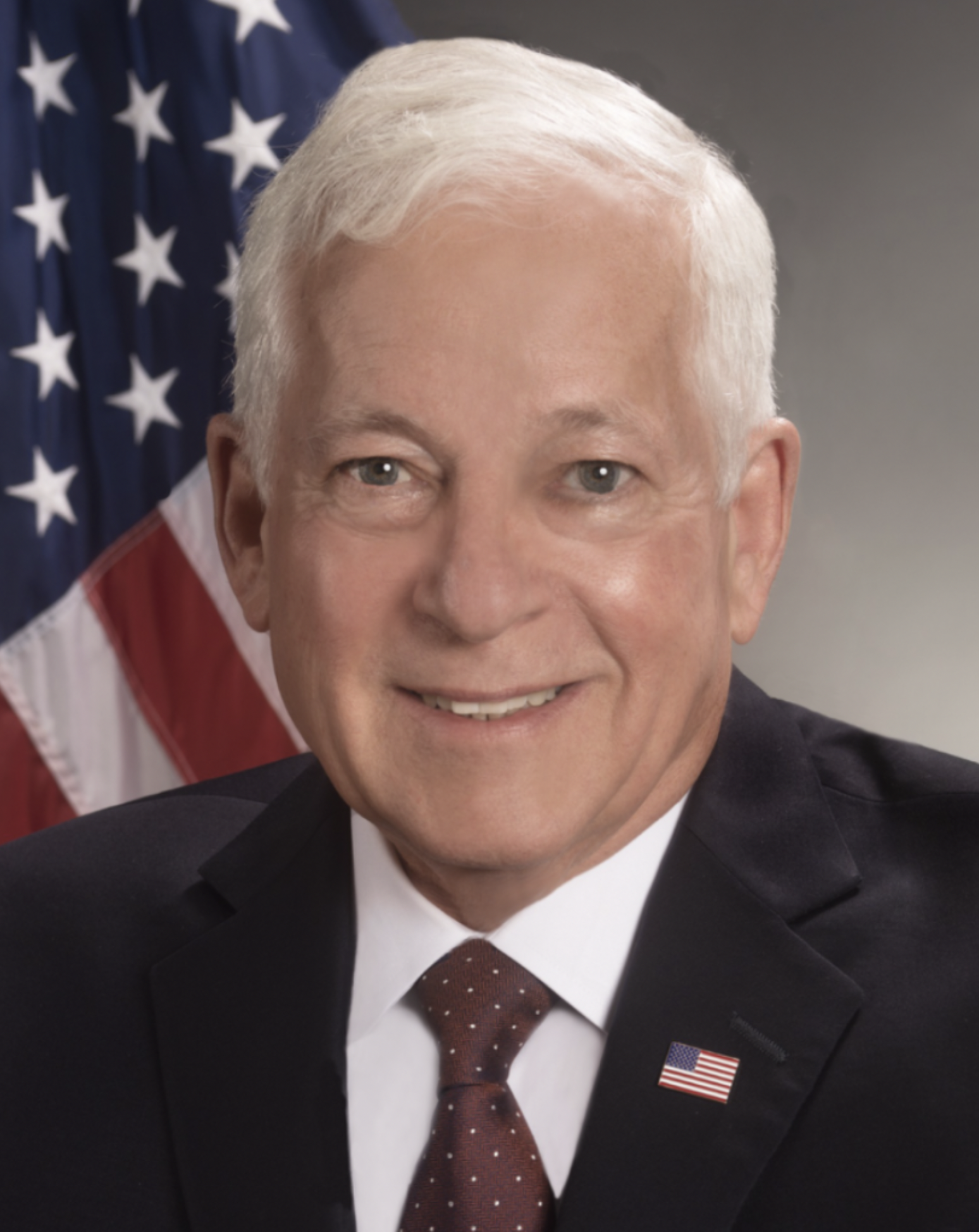
Charles Lavine represents the 13th Assembly District.
