

The Holidays Don’t Have to Hurt in Silence
The holidays can be beautiful in New York. The lights. The music. The way the city tries, for a few weeks, to soften its edges.
They can also be brutal.
This season comes with a loud, unspoken script: be joyful, be grateful, be surrounded by people who love you, be okay. And if you are not okay, it can feel like you are failing at something everyone else seems to do effortlessly.
But the truth is simpler and more human: the holidays don’t create our pain, they amplify it. They turn up the volume on grief. On loneliness. On financial stress. On family conflict. On the quiet fear that you’re carrying more than you can hold.
I know that feeling is real, because I’ve lived it.
When I was a teenager, I was depressed. I was struggling to come to terms with being gay, at a time and in a place where I felt completely alone. I was bullied, ashamed, and isolated, and I reached a point where I didn’t want to live anymore. After multiple suicide attempts, I was hospitalized and received mental health care that saved my life. I am here today because someone intervened, because treatment existed, and because I got help instead of being left to disappear.
I share that not for sympathy, but for clarity: mental health is health. It is not a weakness. It is not something you can outlast or outthink. You deserve care with the same urgency and dignity as you would for any other health emergency.
So here is what I want New Yorkers to know this holiday season.
First: if you are in crisis, or you’re worried you might be, help is available right now. You can call or text 988, the Suicide & Crisis Lifeline, 24/7. If you’re not in immediate crisis but you need support, you can contact NYC Well for free, confidential help, including counseling and connections to services. These are real doors. Use them.
Second: check in on people, and do it without performing. You don’t need the perfect words. You just need to be steady.
Loneliness is not always visible. Depression doesn’t always come with tears. Sometimes it looks like someone who stops returning texts. Someone who cancels plans. Someone who suddenly seems “fine” after a long period of struggle, because they’ve made a dangerous decision in silence. If your gut tells you something is off, trust it. Caring is not invasive. It’s love.
Third: if you’re the one who is struggling, asking for help early is a form of strength. Don’t wait until you are at the edge. The holidays can be especially hard if you’re grieving, if you’re in recovery, if you’re a young person feeling misunderstood at home, if you’re a senior who feels forgotten, if money is tight, or if your life has been shaped by trauma that this season stirs up. None of that means you are broken. It means you are carrying a lot.
There are also practical ways to protect yourself in the weeks ahead. Keep one small routine. Prioritize sleep where you can. Take a walk, even if you don’t feel like it. Choose one boundary you will hold, even if it disappoints someone. Put one supportive thing on your calendar: a call with a friend, a therapy appointment, a support group, a community gathering, a visit with a neighbor. If you are grieving, give yourself permission to do the holidays differently this year. You don’t owe anyone a performance.
Finally: we have a responsibility as a city to make mental health care easier to access, not harder to find. New Yorkers can see the gaps in our system every day, and we cannot accept them as normal. We need to strengthen community-based care, expand the workforce of social workers and clinicians, and invest in the services that prevent crises before they become tragedies.
The holidays will pass. But your life, your safety, and your wellbeing matter right now.
If you’re struggling, please reach out. If you’re doing okay, reach out to someone who might not be. In New York City, we don’t have to be perfect for each other. We just have to show up.
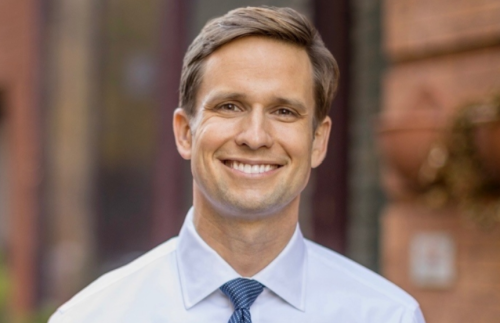
Erik Bottcher represents the 3rd district in the New York City Council, which includes the neighborhoods of Greenwich Village, Chelsea, and Hell’s Kitchen. He is also a candidate for State Senate.
