
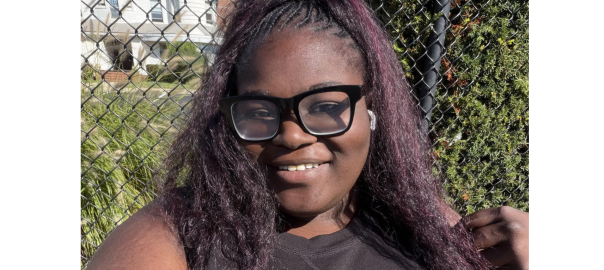
Patients Like Me Are Paying the Price for New York’s Outdated Medicaid System
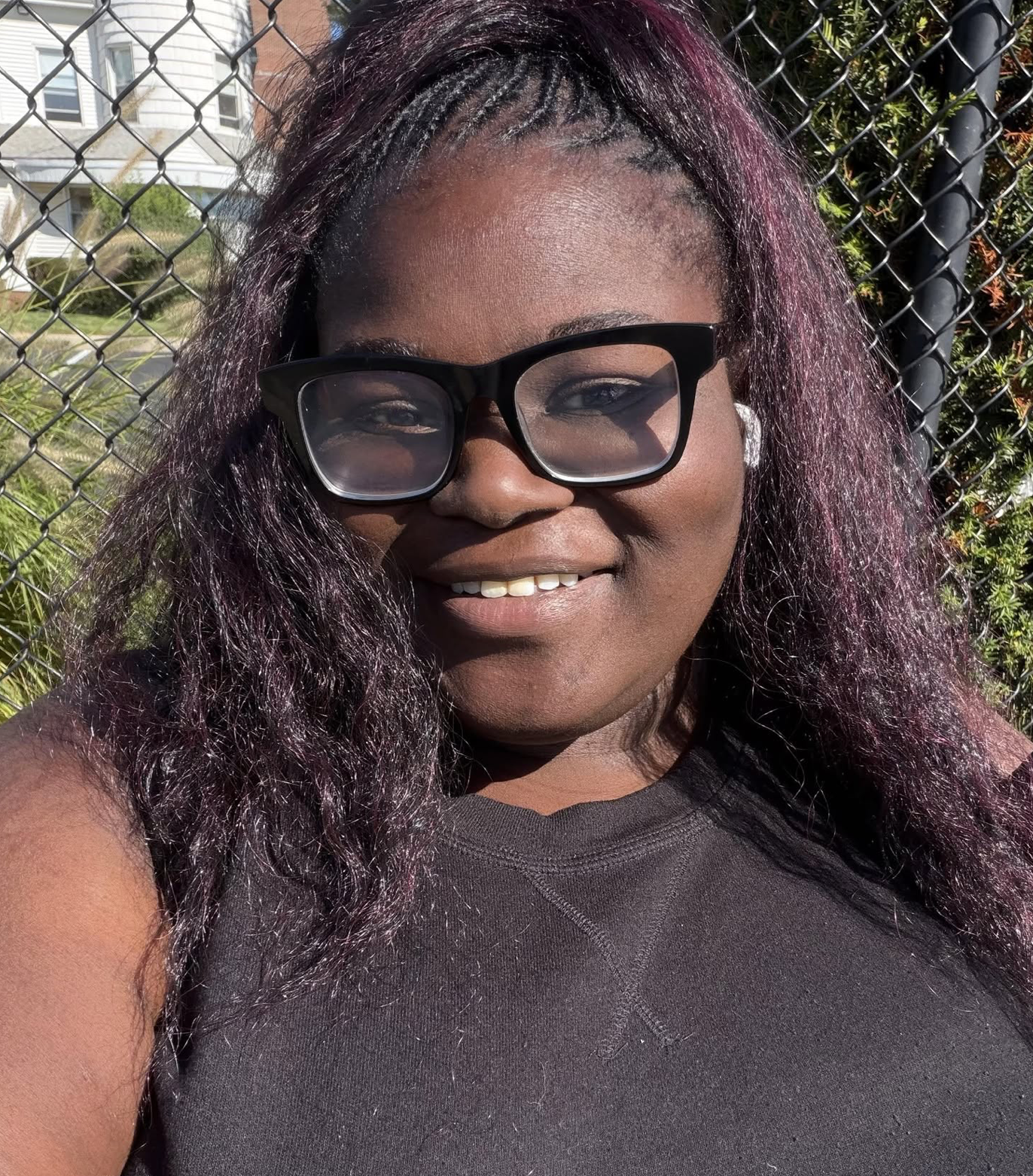
I am a bilateral above-knee amputee, a single mom to a two-year-old daughter, and a recent Master of Social Work graduate living in Nassau County.
My prosthetic legs and my wheelchair are how I get my daughter to day care, how I get where I need to go, and how I keep up with a toddler who never stops moving. When my equipment fits and works, I can do almost anything. When it doesn’t, my whole family’s day stops.
For years I had commercial insurance. Working with my prosthetist, I had found prosthetic knees that matched how I actually live. When my coverage changed and I enrolled in a Medicaid managed care plan, I was able to keep seeing the same prosthetist. What changed was what my plan would cover.
The knee components that best supported my active, everyday life were suddenly out of reach. I’ve run into limits on my care that I never faced on commercial insurance. Having access to a prosthetic provider doesn’t guarantee access to the components that meet your needs. For an amputee, a prosthetic that isn’t right for your body and your life can mean pain, skin breakdown, and falls. With a two-year-old at home, a fall is something I can’t afford.
Access to the right prosthetic care affects far more than how I get around. It shapes my independence, my safety, my quality of life, and my ability to care for my daughter.
I’ve since learned my experience has a cause, and that it can be fixed.
New York already pays its Medicaid managed care plans roughly $515 million to $545 million a year to cover durable medical equipment, including prosthetics, orthotics, and wheelchairs. Yet the providers who actually fit and service this equipment report receiving only 60 to 70 cents of every dollar the state sets aside for it. When a provider loses money on every Medicaid patient, it does the math. It limits what it offers, stops taking certain plans, or closes its doors. New York has lost roughly 24 percent of its durable medical equipment suppliers since 2013.
Then patients like me become the unintended casualties of this outdated system.
Fewer providers in a network means fewer choices, longer waits, and equipment chosen for what a plan will pay rather than what a patient needs. A New Yorker on Medicaid deserves the same quality of prosthetic care as someone with a commercial plan. The state has already budgeted the money to make that possible. It just isn’t reaching the people doing the work.
A fix is waiting on Governor Kathy Hochul’s desk. S.8838-A/A.10576, sponsored by Sen. Gustavo Rivera and Assemblymember Nikki Lucas, passed both houses of the Legislature with bipartisan support, including a 60-0 vote in the Senate. The bill would require Medicaid managed care plans to pay equipment providers at least the full Medicaid rate.
When similar legislation was vetoed before, the governor cited a projected $145 million cost. Updated Department of Health figures show the state is already paying plans hundreds of millions of dollars each year for this equipment. The money is there. This bill makes sure it reaches the providers it was meant for.
I earned my Master of Social Work because I want to help people navigate systems that too often leave them behind. Now I’ve seen one of those systems from the inside. I want my daughter to grow up with a mom who can chase her across the playground. I want every New Yorker on Medicaid who depends on a prosthetic, a brace, or a wheelchair to get care from a provider who can afford to give it, so they can live independently, stay safe, and care for the people who count on them.
Governor Hochul, please sign this bill.
Bryanna is a patient advocate, a mother, and a recent Master of Social Work graduate in Nassau County.
