

On National Health Care Decisions Day, Start the Conversation
Each year, National Health Care Decisions Day serves as a reminder of something deeply personal yet often postponed: how we want to be cared for when serious illness strikes.
These are not easy conversations. They ask us to consider our values, our families and our future. But they are also among the most important decisions we can make. Not just for ourselves, but for the people who may one day be asked to speak on our behalf.
At the New York State Department of Health’s Center for Hospice and Palliative Care, we work to normalize these conversations and ensure that all New Yorkers have access to care that is aligned with their goals and quality of life. Our mission is simple but profound. Promote person-centered care, improve health equity and help people plan ahead, so that care is guided by what matters most to them.
Too often, advance care planning is misunderstood as something only relevant at the very end of life. It is about living well—on your own terms—through serious or chronic illness. It is about making sure your voice is heard, even if you cannot speak for yourself.
That is where hospice and palliative care come in.
Palliative care supports individuals at any stage of a serious illness. It focuses on relieving pain and symptoms, coordinating care, and reducing the stress and uncertainty that often come with complex medical conditions. It can be provided alongside treatments and serves as a bridge, helping patients and families navigate care decisions with clarity and support.
Meanwhile, hospice care is designed for individuals nearing the end of life, typically with a prognosis of six months or less. It shifts the focus from curing illness to ensuring comfort, dignity, and quality of life. Hospice teams provide comprehensive, relationship-based care, managing pain and symptoms, offering emotional and spiritual support, providing families with the tools to care for their loved ones, and continuing bereavement support for more than a year after a loss.
What many people don’t realize is how much support these services provide. Not just to patients, but to families navigating some of life’s most difficult moments. Hospice care can include in-home services, short-term inpatient care when symptoms become difficult to manage, and even respite care to give caregivers a much-needed break.
And yet, despite these benefits, too many people access hospice care only in the final days of life, missing out on the full range of support it offers.
That’s why conversations matter.
Advance care planning tools, such as health care proxies, living wills, and Medical Orders for Life-Sustaining Treatment (MOLST) help ensure that care decisions reflect an individual’s wishes.
But beyond the forms and documents, what matters most is communication.
Have you talked with your loved ones about what matters to you?
Do they know your preferences if faced with a serious illness?
Have you considered who you trust to make decisions on your behalf?
These conversations don’t have to happen all at once. They can start small, with a simple question, a shared story, or a moment of reflection.
As someone who has spent my career in hospice and palliative care, I have seen firsthand the difference these conversations make. When patients and families have clarity, care becomes more compassionate, more coordinated, and more aligned with what truly matters.
On this National Healthcare Decisions Day, I encourage all New Yorkers to take one step toward planning ahead – talk about it.
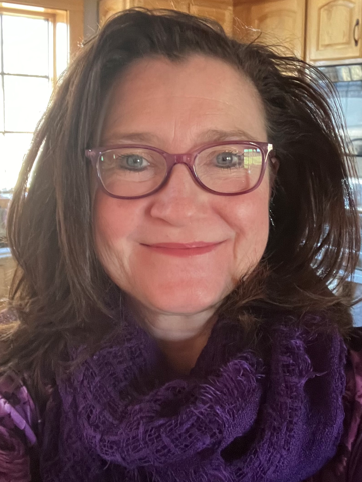
By Kara U. Travis, Director, Center for Hospice and Palliative Care, New York State Department of Health
