
New York is Facing a Mental Health Crisis—And Too Many New Yorkers Still Cannot Access The Care They Need
New York is facing a mental health crisis—and too many New Yorkers still cannot access the care they need, when they need it. At a time of rising demand for mental health and substance use disorder services, we have a clear, practical solution: including LCATs on the Medicaid provider list and commercial insurance panels in this year’s state budget.
LCATs are already licensed mental health professionals in New York State, authorized to provide psychotherapy—an essential, mandated covered service. Yet many are excluded from insurance panels and the Medicaid provider list, creating unnecessary barriers for patients and limiting access to care already recognized under state law. This gap undermines both patients and providers—and it is entirely fixable.
This is not a new proposal. As Chair of the Assembly Labor Committee and Chair of the Senate Mental Health Committee, we have advanced legislation addressing this issue that has passed both houses of the Legislature nearly unanimously in prior years. Governor Kathy Hochul has indicated it should be resolved through the budget process. The path forward is clear.
Including LCATs on the Medicaid provider list and commercial insurance panels would immediately improve access to psychotherapy statewide. In turn, it would help address the growing “ghost panel” crisis, where insurance directories list providers who are unavailable, not accepting new patients, or not actually in-network. This problem is especially acute in mental health care, leaving individuals and families without real options in moments of need. Improving panels to include LCATs would make coverage meaningful.
At the same time, this proposal offers a critical workforce solution. New York’s human services sector is experiencing a well-documented shortage, with providers struggling to recruit and retain licensed professionals. LCATs are a highly trained, underutilized part of the mental health workforce, ready to serve in clinics, hospitals, schools, and community-based settings. Ensuring reimbursement and panel inclusion will strengthen provider networks and improve continuity of care.
It is equally important for the future of the profession. Colleges and universities across New York—including New York University, Nazareth University in Rochester, Molloy University, and SUNY New Paltz—are training the next generation of licensed creative arts therapists. These graduates are prepared to serve diverse populations, including children, older adults, and individuals who are nonverbal or face language barriers. For many—particularly individuals who are nonverbal due to trauma, aging, or developmental conditions—creative arts therapy is not an alternative to traditional talk therapy; it is the only viable form of psychotherapy available to them. Without full insurance recognition, too many are blocked from sustainable careers even as demand for care continues to grow.
Support for this effort is broad, bipartisan, and unprecedented. Nearly 100 organizations—including licensed professionals, patients and families, human services agencies, hospitals, colleges and universities, and organized labor, including 1199 SEIU and DC-37—have come together in support. Labor leaders understand that improving access to mental health care is essential to worker well-being and economic stability.
New York has long led the nation in recognizing innovative, patient-centered approaches to care. Including LCATs on the Medicaid provider list and commercial insurance panels is a common-sense step that aligns policy with practice, strengthens our workforce, and improves access to care.
The need is clear. The support is there. The solution is ready.
The addition of licensed creative arts therapists to commercial insurance panels and the Medicaid provider list should be included in the final budget.
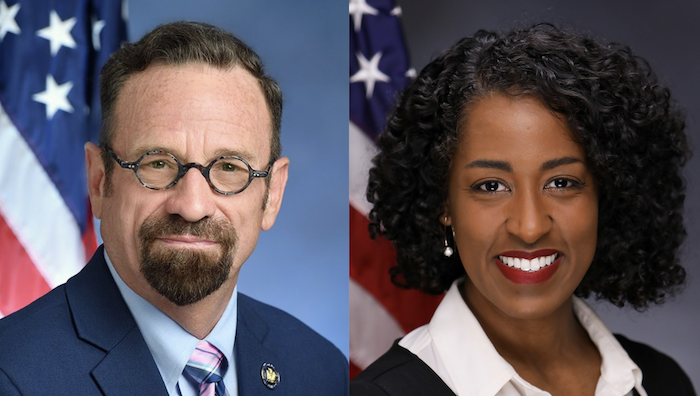
— Assemblymember Harry Bronson, Chair, Assembly Labor Committee
— Senator Samra Brouk, Chair, Senate Mental Health Committee
