

New York Can’t Be Affordable If People Can’t Afford Their Energy Bills
New Yorkers are feeling left out in the cold this season paying their utility bills.
The numbers don’t lie, as they say, and the numbers are very alarming. All indications show New York is in the middle of an energy affordability crisis.
In 2025, on average 34,000 New York households per month were terminated from service for lack of payment. New York’s largest utility, based in New York City, terminated 12,929 households from service for lack of payment this January. According to NOAA, the average January temperature in New York City was 30 °F.
Utilities are not a luxury. They are essential to daily life. Yet, for more and more New Yorkers, they are becoming unaffordable.
AARP recently released a survey of New Yorkers 50 years and older; the results show the surprising actions consumers are taking because of their high utility bills. For example, close to 50% reported cutting back on basic expenses such as groceries, personal care, and transportation expenses. Just over 20% borrowed money or took on debt, including credit card debt. And possibly the most alarming statistic, just under 20% said they cut back on medical expenses, including prescription drugs.
When we look at the Public Service Commission (PSC), the government entity that regulates utilities in our state and oversees the utility rate-setting process, we see a troubling pattern. Year after year, the PSC approves rate increases for gas and electric delivery that people simply can’t afford. The PSC commissioners and staff are hardworking people, but they are trapped in an unfair rate-making system and laws that keep them from doing more for residential ratepayers.
Utilities come with teams of attorneys, consultants, and industry experts pushing for higher rates and larger profits. Large industrial customers show up with their own lawyers as well. To make matters worse, utilities are allowed to recover millions of dollars from ratepayers to cover the cost of their own lawyers and consultants— the very people arguing to raise our bills — to the tune of $31 million. In short, consumers pay for the utilities to increase their own rates. It’s salt in an open wound. We don’t need salt; we need affordable energy bills.
The system is broken and stacked against everyday New Yorkers. What is that saying again? Doing the same thing over and over again and expecting different results is the definition of insanity. Do we really think if we keep the same PSC process rates will get any better in New York?
So, what now?
In the halls of our State Capitol, negotiations are beginning to settle a proposed state budget of $260 billion. Brighter days – and more affordable utility bills – may be on the horizon. What do I mean? Governor Hochul has put forward proposals in her Executive Budget aimed at reforming parts of the PSC process and improving affordability. The State Senate and Assembly have introduced their energy affordability packages and measures to reform the PSC process in their one-house budget proposals. It is encouraging to see the Governor and the Legislature taking aim at high utility bills.
AARP believes there is no single policy that will reverse many years of unaffordable rates. We support several proposed policies by the Governor and the Legislature.
A combination of these proposals below can provide short-term relief and long-term reform.
- Create dedicated funding for residential consumer advocates, as well as create an office of the utility consumer advocate to represent interests of residential utility customers to challenge rate increase requests and level the playing field with big energy companies.
- Return ratepayer money through bill credits if a utility earns more than the amount approved by the PSC.
- Increase state resources to enhance enrollment and access to New York’s energy affordability programs, including HEAP.More than a million New Yorkers are eligible for assistance but not enrolled.
- Strengthen utility termination protections, especially for tenants whose landlords fail to pay the building’s energy bills and power is shut off, as well as those with medical conditions who need power for medical devices.
- Require greater transparency about the true costs of utility rate cases and infrastructure projects ratepayers are funding, including independent affordability monitors, along with overall enhanced PSC scrutiny of rate increases.
For New York to be truly affordable, we must be able to pay our utility bill to keep the heat on in winter and the air conditioning in summer. Now is the time for our state elected officials to answer the call and take bold action on this growing crisis. Waiting any longer would mean denying New Yorkers a fair chance to live—and stay—in New York.
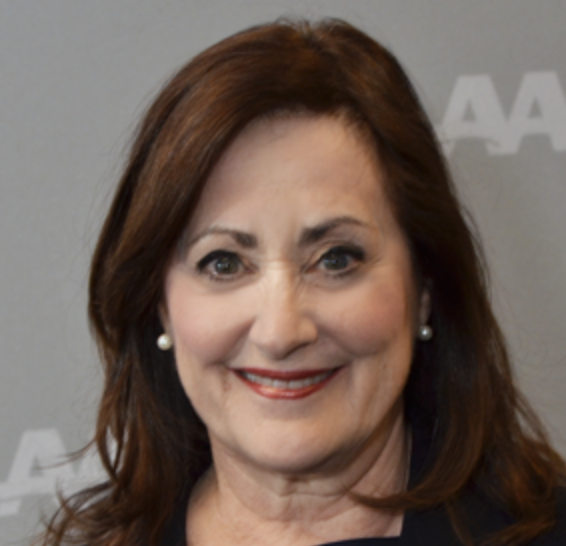
Beth Finkel is the state director for AARP New York.
