
Men’s Mental Health Cannot Be an Afterthought

As we recognize Men’s Health Month, we are reminded that health extends far beyond annual checkups, blood pressure screenings, and physical fitness. Mental health is health. Yet for far too many men, mental well-being remains one of the most overlooked and undertreated aspects of healthcare.
Across our nation and here in Southeast Queens, men are facing unprecedented pressures related to work, finances, family responsibilities, social isolation, trauma, and uncertainty about the future. While many men are struggling, too few are seeking help.
The data is clear. Men are significantly less likely than women to receive mental health treatment, often due to stigma, cultural expectations, and the belief that seeking support is a sign of weakness. At the same time, men account for nearly 80 percent of suicide deaths in the United States, and the suicide rate among men is nearly four times higher than among women. These statistics are not just numbers. They represent fathers, sons, brothers, husbands, friends, neighbors, and colleagues whose struggles often go unseen until a crisis occurs.
For generations, many men have been taught to suppress emotions, avoid vulnerability, and carry life’s burdens alone. While resilience and perseverance are admirable qualities, they should never come at the expense of a person’s mental health. Strength is not suffering in silence. Strength is recognizing when support is needed and taking steps to seek it.
Conversation is especially important in communities of color, where stigma surrounding mental health continues to create barriers to care. Too often, men delay seeking treatment until challenges have significantly impacted their relationships, employment, physical health, or overall quality of life. In many cases, untreated depression, anxiety, trauma, and substance use disorders can contribute to chronic disease, family instability, social instability, and poorer health outcomes.
At the Joseph P. Addabbo Family Health Center, we see firsthand the impact that accessible, culturally responsive behavioral healthcare can have on individuals and families. We also understand that a one-size-fits-all approach does not work. Men need services that are accessible, compassionate, and responsive to their lived experiences. They need providers who listen without judgment and environments where seeking help is normalized rather than stigmatized.
Mental health must be integrated into the broader conversation about men’s health. Just as we encourage men to schedule annual physicals, monitor their blood pressure, and manage chronic conditions, we must also encourage them to prioritize their emotional and psychological well-being.
This requires more than healthcare providers alone. Employers, schools, faith-based organizations, community leaders, and elected officials all have a role to play in creating spaces where men feel supported and empowered to seek help. We must continue to foster open dialogue, challenge outdated perceptions of masculinity, and ensure that mental health resources are available and accessible in every community.
This Men’s Health Month, we encourage every man to take a moment to check in with himself and with the men in his life. Have a conversation. Schedule the appointment. Reach out to a friend. Ask for help when needed.
Because mental wellness is not a luxury. It is essential to overall health, strong families, and thriving communities.
Every man deserves to be seen, heard, supported, and cared for. Together, we can build a future where mental health is treated with the same urgency, compassion, and dignity as physical health.
If you or someone you know is experiencing a mental health crisis, call or text 988 for immediate support.
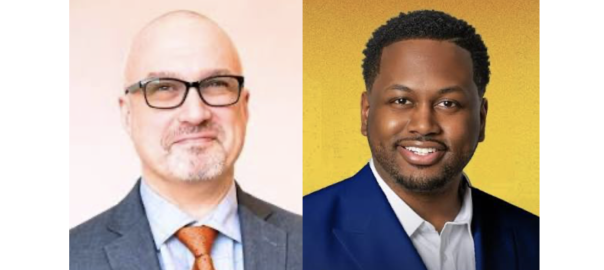
Juanito Vargas, LCSW, Director of Behavioral Health, and Council Member Ty Hankerson
