
For Climate Action, We Need to Educate the Next Generation
Climate action is under threat from every possible angle at the federal level. Funding for climate initiatives is being slashed, clean energy regulations are being rolled back, the U.S. is retreating from international climate cooperation, and federal climate research is being cut or buried.
All this comes at a time when a majority of Americans say they are concerned about climate change, what it means for our natural environment and the world our children will inherit.
As Washington steps back, New York must push forward. Meeting the climate challenges ahead will both require policy changes and demand the imagination, skills, and commitment of the next generation. From the Capitol to our state parks to research labs, we need more young people prepared to lead.
A recent survey from the Siena Research Institute shows that New Yorkers overwhelmingly agree that climate change is a problem and fear its consequences. But residents are divided over the best path forward. That uncertainty underscores why climate education matters.
Yet climate literacy among young people is lacking. A survey from This is Planet Ed and the EdWeek Research Center shows that many teenagers doubt their own understanding of climate change and often misunderstand its causes and impacts. Teaching students not just climate science, but about our state’s environment and how it is changing will be essential to shaping thoughtful, effective climate policy in the decades ahead.
For young people in marginalized urban communities, the stakes are higher. These students often grow up with disproportionate exposure to pollution — and its adverse physical and mental health effects — from sources such as warehouses and exhaust from major roadways. They also have less access to nature. And despite facing the greatest risks, many students who could benefit the most from climate education are the least likely to receive it.
This moment demands smart investments is the resources New York already has to broaden climate education opportunities. Programs like SUNY’s Timbuctoo Climate Science and Careers Summer Institute, for example, are creating opportunities for high schoolers from systemically marginalized communities to get outside, learn in natural settings, and explore pathways to careers in climate science, natural resource management, and the clean-energy economy.
The only limitation is reach. Since it started in 2023, the Timbuctoo Institute, which delivers a two-week immersive experience that includes hands-on learning in the Adirondacks, has only available to students living in New York City. The current state budget includes support to begin expanding the program through community-based offerings to cities like Rochester and Buffalo and more, but more support in this year’s state budget is still needed to ensure more students who could benefit from these opportunities can access them.
New York cannot lead on climate without properly preparing the young people who will one day be responsible for carrying that leadership forward. Support for hands-on climate education is a relatively small investment with tremendous upside when you consider the global impact it can have.
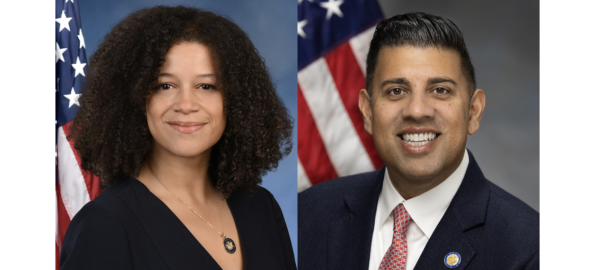
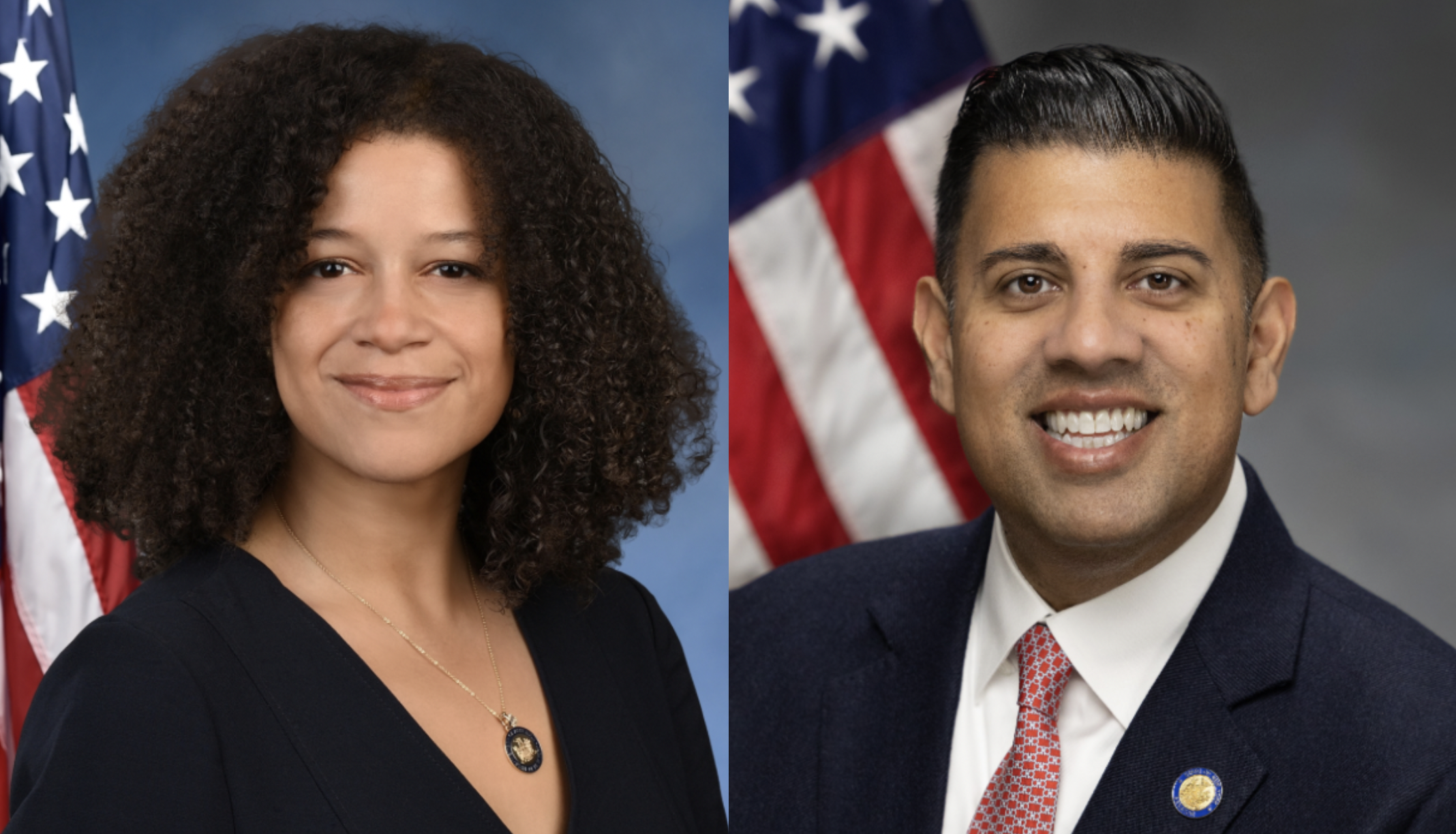
Michaelle Solages represents Assembly District 22 on Long Island and is the Chair of the NYS Black, Puerto Rican, Hispanic, and Asian Legislative Caucus. Jeremy Cooney represents the 56th Senate District in Rochester and parts of Monroe County.
