
Budgets Reveal Priorities: Rural Healthcare Must Be One
In many areas of our state, access to healthcare comes down to a simple question: Can you get care when you need it?
For too many families and seniors, the answer is no, not because providers aren’t trying, but because the system is stretched thin. That reality should matter when we debate the state budget, because budgets are statements of priorities. And right now, access to healthcare in rural communities is not being treated like a priority.
Living in rural New York often means relying on community health centers and local hospitals not just for routine checkups, but for ongoing primary care, specialty services, and dental care. For many families and seniors in my area, these providers are the only access point to healthcare, yet chronic underfunding is making timely care harder to obtain each year.
State data confirms what many people experience every day. According to the New York State Comptroller, rural counties have significantly fewer general care providers per capita than the rest of the state, including primary care physicians, pediatricians, OB-GYNs, and mental health professionals. In some rural areas, access to primary care is less than half the statewide average.
These shortages do more than inconvenience patients. They strain the entire healthcare system and create delays at every step.
I recently heard from a mother whose immune-compromised young son cannot get an appointment with a specialist for four months. At the same time, seniors managing chronic conditions are often waiting months for cardiology, neurology, or other follow-up care that is essential to maintaining their health and independence. These are not isolated stories. They are becoming far too common across rural New York.
Dental care presents another serious challenge, particularly for people with developmental disabilities. The Comptroller’s analysis shows that rural New York has far fewer dentists per capita, and even fewer providers trained or equipped to treat patients who require specialized care or sedation. When routine dental care is delayed, preventable problems too often become serious health issues.
What makes this situation especially troubling is that the state budget does not adequately respond to these realities.
The Comptroller has identified billions of dollars in potential Medicaid savings through stronger oversight. In one report alone, more than $1 billion was incorrectly spent on Medicaid for individuals who were living in other states. Those findings present a clear opportunity to be both fiscally responsible and patient focused.
If we acknowledge provider shortages, long wait times, and growing backlogs, and if responsible savings have already been identified, then New York State must prioritize taking the necessary steps to recoup and reinvest these resources in rural healthcare.
In the days ahead, I will be pushing to align the state budget with the Comptroller’s data and focus on long-term value rather than short-term fixes. That means advocating for reimbursement rates that reflect the real cost of care so community health centers and local hospitals can expand access for families, seniors, and vulnerable populations. By funding care responsibly now, we can improve outcomes and save taxpayer dollars in the long term, avoiding preventable emergencies, hospitalizations, and delays that ultimately cost far more.
Healthcare access should never depend on a zip code. I will continue working to ensure the state budget reflects that reality and delivers an improved healthcare system that works better for rural communities and for taxpayers.
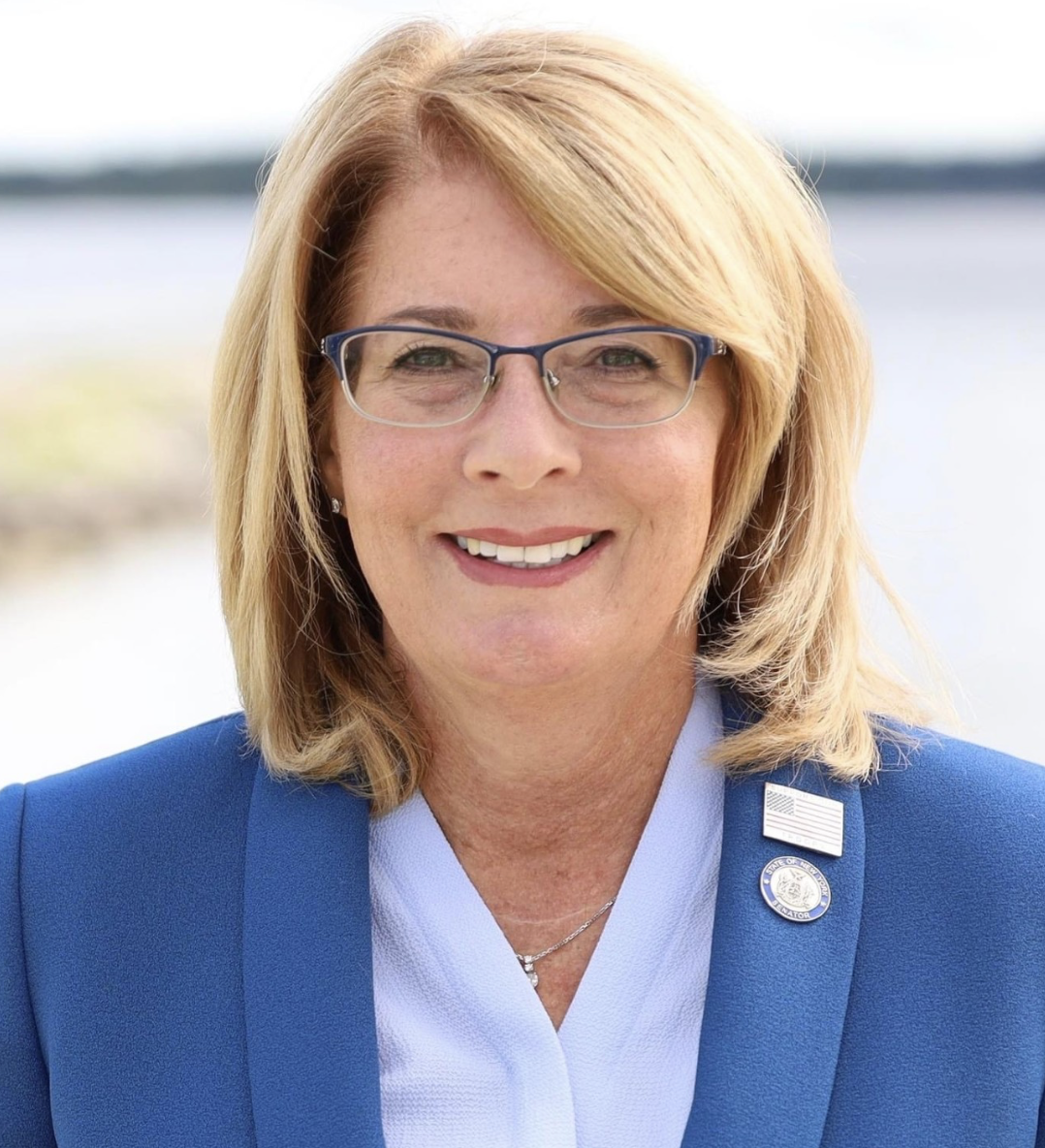
Pam Helming is the State Senator for New York’s 54th District.
