
A better way to connect New Yorkers with the help they need
Every night, New Yorkers are sleeping on our streets and subways while teams of dedicated professionals are working to help them. But too often, those teams are working without the information they need to succeed. A person can be hospitalized, offered a shelter bed, connected to treatment, or approved for housing, and the next provider trying to help them may know none of it.
That is a failure of the system, and it has real consequences. Critical information doesn’t travel with the person providers are trying to serve, leaving frontline teams without key pieces needed to solve a larger, complicated puzzle.
A street outreach team is searching someone without knowing they’ve been hospitalized. A shelter without that information may give away a bed the person could return to. A housing provider may know why someone never moved into an apartment that was offered while another group starts the process again. In a disconnected system, gaps in information translate into gaps in care.
That’s the status quo our bill seeks to change.
Our legislation would tear down barriers that keep agencies and organizations from sharing vital information and build bridges to the housing, treatment and support people need. It would help New York City and counties statewide coordinate comprehensive solutions to complex challenges with multidisciplinary teams that bring together homeless outreach workers, health professionals, housing organizations and other service providers. A humanitarian crisis this serious demands all hands on deck.
New York is rightfully making big investments in homeless outreach. That makes it all the more important to sharpen our focus on the results those dollars deliver. State Comptroller Thomas DiNapoli found New York City street outreach spending rose from $102 million in 2019 to $368 million in 2025, while the unsheltered population increased from 3,588 to 4,504. More resources matter. So does making existing services work as well as possible.
Our bill builds on a model that’s shown long-term promise elsewhere. California has allowed counties to establish homeless multidisciplinary teams since 2018, and San Francisco has credited the model with better coordination and faster connections between people and services.
Recent tragedies around Times Square underscore the stakes. The August 31 fatal stabbing of a woman by an attacker with a documented mental health history, and the earlier stabbing of an unhoused man, show what can happen when vulnerable New Yorkers fall through the cracks of a broken system. No policy can prevent every tragedy. But a problem this important cannot be met with a scattered response.
At its core, our bill reflects the progressive values we share as New Yorkers. Government should protect the vulnerable and give everyone a fair chance to get back on their feet. That requires more investment. It also means removing obstacles that keep existing resources from delivering their full impact.
But making the system more effective cannot come at the expense of individual rights. Strong privacy safeguards are essential to doing this responsibly and maintaining the trust that effective outreach depends on. Our bill requires written protocols governing what information can be shared, who can access it and how it is secured. Records exchanged through the teams would remain confidential and protected from use in legal proceedings.
The reforms we’re proposing grew out of discussions with providers and has the support of organizations like Urban Pathways because they know coordination is a persistent challenge in homeless outreach. We will continue working with providers, advocates, privacy experts and New Yorkers with lived experience to strike the right balance between better coordination and individual liberties.
Across New York, we should give homeless service providers a fuller picture, fewer obstacles and a fair chance to succeed. The people trying to help should be allowed to work together. The New Yorkers who need their help deserve nothing less.
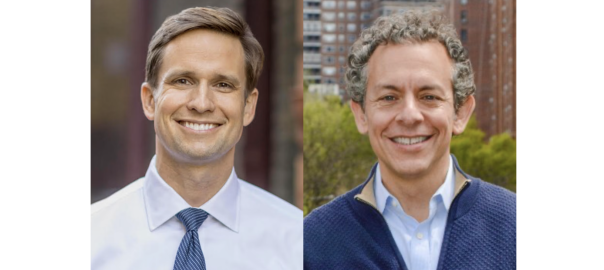
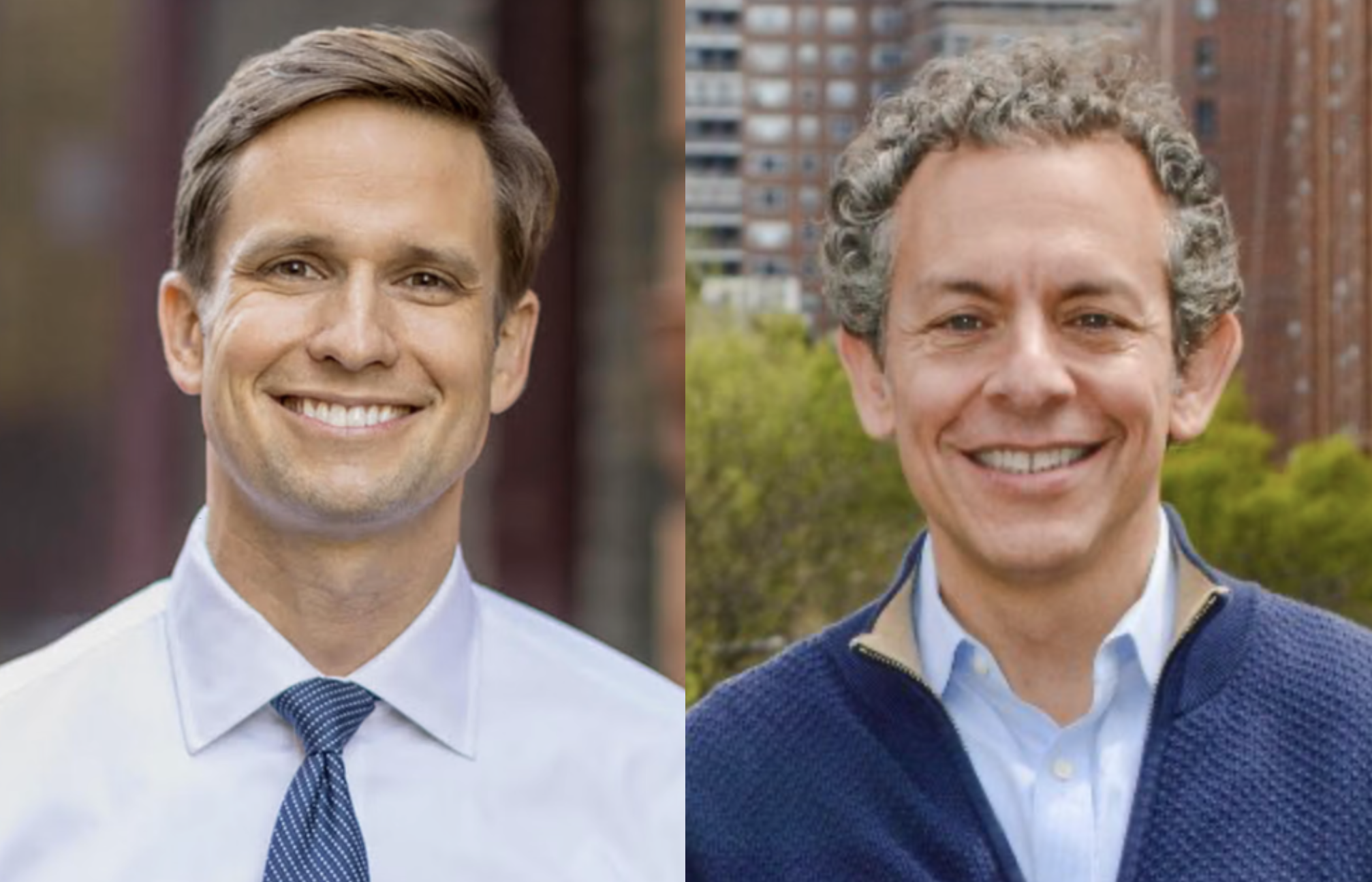
Bottcher represents Senate District 47, spanning Christopher Street to 103rd Street, and serves as Chair of the Senate Committee on Cities 1
Simone represents the 75th Assembly District, which includes Chelsea, Hell’s Kitchen, Midtown and the Upper West Side
