
A proven way to lower prescription costs for patients and payors
Pharmacy reimbursement costs are an issue for everyone – patients, payors, and pharmacies alike. For two decades, three major intermediaries, each part of large vertically integrated conglomerates worth hundreds of billions of dollars, have controlled over 80% of the prescription drug market. Those entities, known to those inside the pharmacy world as pharmacy benefit managers (PBMs), have been the invisible middlemen at the center of the pharmacy benefit, yet only recently have governments woken up to their impact.
PBMs play a role in making sure individuals can walk into a pharmacy and have their prescription filled following the plan’s benefits description. However, PBMs are paid through confidential contracts, rebates, and fees that patients and employers never see. When you pick up a prescription, the PBM charges your health plan one price and pays your pharmacy another. Because it sets both, it can build its own profit into the gap, and no one outside the PBM knows how much it kept. Insulin is a clear example. Its price climbed sharply over the last decade, and patients were left paying more without any way to see who was profiting along the way.
That is why it is time for a new way forward for pharmacy reimbursement, and fortunately New York State Medicaid is leading the way. Over two years ago, the Medicaid program moved to a more transparent reimbursement model based on what pharmacies actually pay for a drug — the National Drug Acquisition Cost (NADAC) — plus a reasonable dispensing fee. This “NADAC Plus” approach is far more predictable and transparent. In those two years, Medicaid and its taxpayers have saved hundreds of millions of dollars with this new program. Governor Hochul can extend this approach to commercial health plans by signing S5939/A5882, the Patient Access to Pharmacy Act (PAPA). New York’s Medicaid results, along with countless studies, give us confidence this will help small businesses and non-affiliated health plans save money.
By way of example, Mark Cuban Cost Plus Drug Company (MCCPD) recently hired 3 Axis Advisors, a health care data analytics and consulting firm, to compare traditional PBM pricing with the NADAC-plus-dispensing-fee model. Here is what this behind-the-curtain study found out:
- Savings for Employers: The analysis found that transitioning commercial employer plans to Cost Plus’s transparent pricing model could save employers an average of 37% to 67% on generic drug costs compared to traditional pharmacy benefit managers (PBMs).
- Claim Volume: In a study covering 1.2 million claims and $433.5 million in charges, Cost Plus held pricing for roughly 71.5% of the generic claims, representing 14.4% of total spending ($62.4 million).
- Cost Reduction: Repricing those specific claims through Cost Plus dropped total charges from $62.4 million down to $20.8 million—a 67% reduction ($41.7 million saved).
- Average Savings per Prescription: Overall, the data suggests Cost Plus saves employers roughly $47.50 per prescription filled relative to traditional corporate-owned PBMs (such as CVS Caremark, Express Scripts, and OptumRx).
The State of Georgia recently released a study on its state employee health plan which is self-funded by Georgia taxpayers. The state’s PBM, CVS, had warned that moving to a NADAC Plus model would cost taxpayers over $17 million. The state’s own analysis found the opposite.
A 2025 state fiscal analysis—which repriced all 2023 state claims—revealed the PBM’s estimate to be inaccurate by a nearly $29 million margin. The analysis found that even with the increased dispensing fees, the NADAC model would have saved:
- $10,948,347 for the Georgia SHBP.
- $3,800,000 for the University System of Georgia.
By establishing NADAC as the transparent benchmark, Georgia not only eliminated variability, but it also eliminated arbitrary overpayments for drugs disproportionately filled at PBM-owned pharmacies. The savings generated by bringing these “outlier” claims down to market rates more than offset the increased fees paid to community pharmacies.
Unsurprisingly, some health plans and the PBMs will counter that this will raise health insurance premiums and patient copays as there is a new dispensing fee. Nothing could be further from the truth! For decades, PBMs have collected billions in rebates, yet when the New York State Department of Financial Services asked them to share that information, as required by law, they refused. PBMs have also used their contracts to run pharmacies out of business in urban, suburban, and rural settings, often paying their own pharmacies better than their competition. That is why states across the country are taking action against these practices. Both the Biden and Trump administrations have pushed PBMs toward greater transparency. In fact, recently, the Trump Administration ordered PBMs to share their information — time will tell if they comply. Ironically, PBMs say they are launching their own NADAC Plus plans, yet are quietly fighting PAPA behind the scenes.
One of the biggest drivers of health care costs is lack of transparency, especially due to the vertical integration where the three largest health insurance companies now own not only the plan, but the health system, the PBM, the mail-order pharmacy, the specialty pharmacy and large chains of brick-and-mortar pharmacies. Both the federal and state government need to address the lack of transparency in this vertically integrated system, and it makes perfect sense to start with the prescription drug benefit which has a publicly defined benchmark cost for drugs.
Signing PAPA into law will help lower premium costs for patients and payors and stop the decline of community pharmacies, an integral part of the health care system. Even Mark Cuban, whose Cost Plus Drug Company has challenged the largest PBMs, has warned that they have put too many pharmacies out of business and created pharmacy deserts, and that if they cared about costs, they would make their net prices public.
PAPA passed the Assembly with unanimous bipartisan support and by a near-perfect margin in the Senate. It is now time for Governor Hochul to bring transparency to this often-shadowed world of pharmacy reimbursement. We encourage her to follow the facts, stand with the community pharmacies that care for New Yorkers every day, and sign PAPA into law.
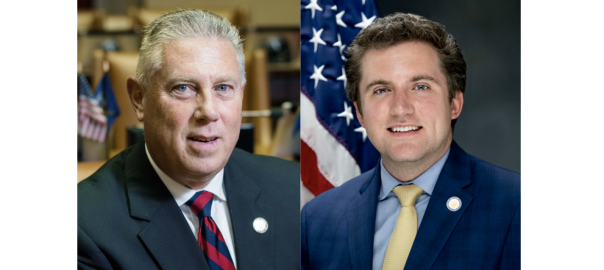
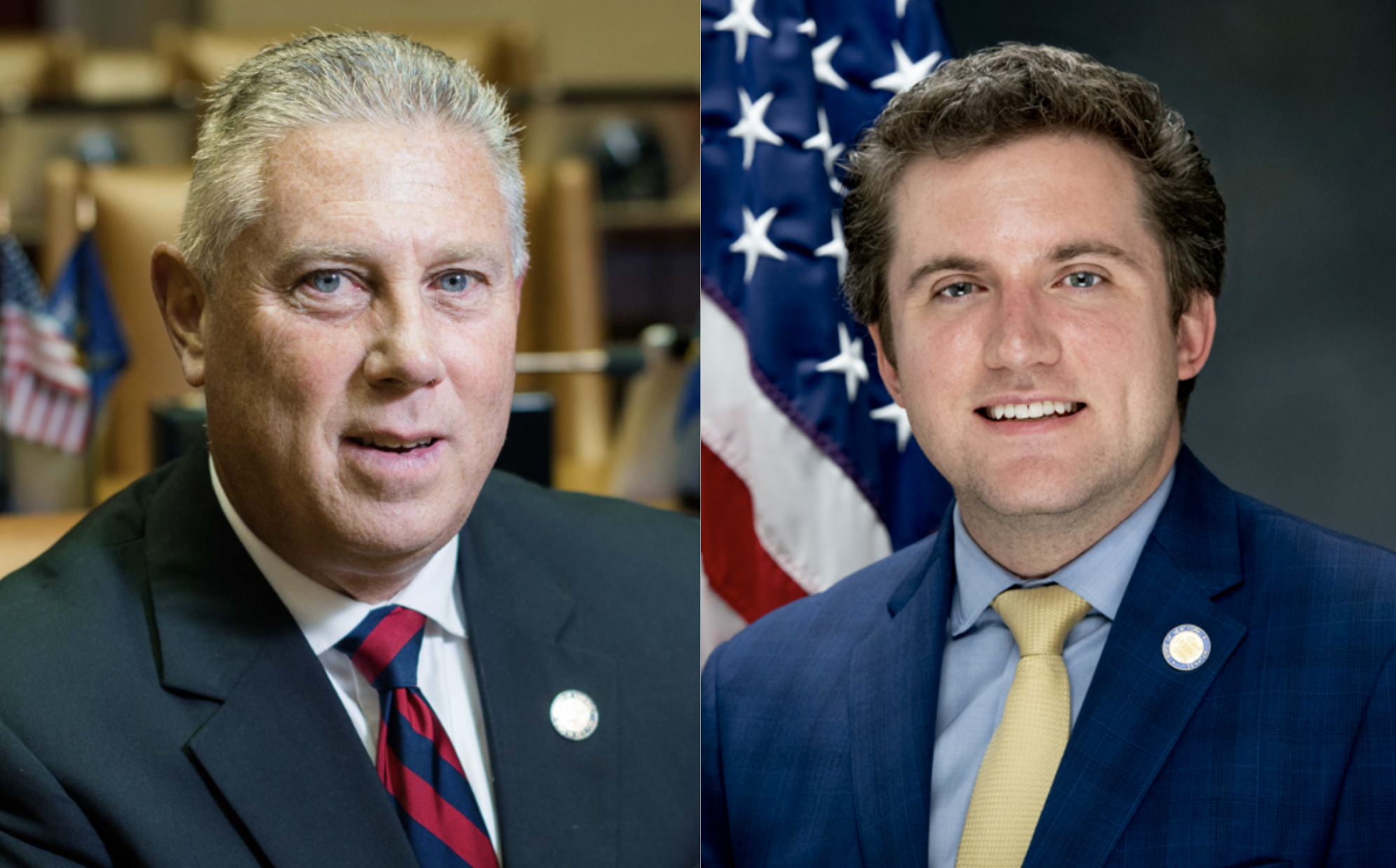
Assemblymember John T. McDonald III, RPh
NYS Assemblymember, 108th District
Senator James Skoufis
NYS Senator, 42nd District
