

Older New Yorkers Were Once Again Left Out Of The Legislative Session
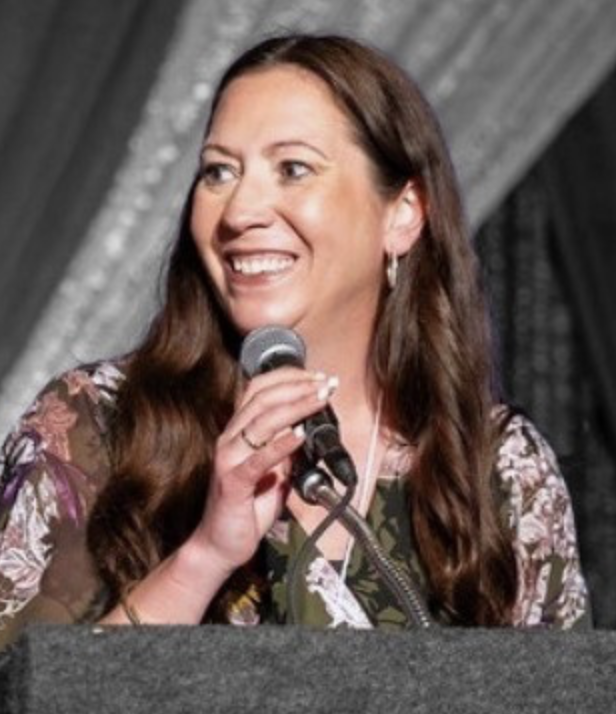
In the last few weeks, I find myself reflecting on the missed opportunities of the 2026 legislative session. Older New Yorkers were once again left wondering why the legislature and Governor Hochul ignored supporting so many of the critical services for they depend on. I’m not alone.
Since session ended, I’ve heard from colleagues all over the state. The consistent theme is clear – disappointment by the lack of new funding for aging services coming out of Albany. At a time when older New Yorkers are facing unprecedented affordability challenges and increasing service needs, 2026 was one big, missed opportunity to support countless families and a significant failure to address the growing needs of New York’s aging population.
We all know someone in this position. It could be a parent, relative or friend. Loved ones are struggling with rising housing, food, transportation, and healthcare costs. The State Budget failed to provide the resources necessary to sustain critical programs that help older adults remain healthy, independent, and connected to their communities. Essential services such as home care, transportation, nutrition programs, caregiver support, and mental health services remain chronically underfunded despite growing demand.
Adding insult to injury to the lack of support is the fact these decisions were made after the long-delayed New York’s Master Plan for Aging. The Master Plan spelled out in great detail recommendations to address the growing needs of older adults. It included a clear vision for strengthening New York’s aging services network. The plan emphasized the importance of community-based services and recommended ensuring that aging services are adequately supported to meet current and future demand.
Actions have consequences. More than 70,000 aging services are currently waitlisted, leaving older adults and their caregivers without access to critical support such as home-delivered meals, transportation assistance, case management, personal care services, and other community-based programs. These unmet needs place enormous burdens on families and often lead to more costly healthcare interventions and institutionalization.
Older New Yorkers are more than recipients of services. They are taxpayers, workers, caregivers, volunteers, consumers, and essential contributors to the economic and social fabric of our state. Investing in aging services is a sound economic strategy that helps individuals remain independent, reduces healthcare costs.
New Yorkers 50 and older contribute more than $719 billion annually to the state’s economy, accounting for 43 percent of New York’s Gross Domestic Product. They support nearly six million jobs and an estimated $72 billion annually in state and local tax revenues. Let’s not forget the billions of dollars older adults provide in unpaid caregiving, volunteer service, and community leadership, strengthening our families and our communities.
We cannot claim to support aging with dignity while failing to adequately fund services that make that goal possible. Older adults deserve more than promises and unread plans. They deserve meaningful investments reflecting both their needs and their immense contributions to the state.
An additional piece of advice for elected officials in Albany. Remember older New Yorkers vote. A recent AARP study found that 50-plus voters are the most likely demographic to head to the polls. In the 20204 primary, 50-plus voters represented more than 70 percent of the total turnout.
As New York’s population continues to age, the need for action becomes increasingly urgent. The Association on Aging in New York remains committed to working with policymakers, advocates, and community partners to ensure that every older New Yorker has access to the services necessary to age with dignity, independence, and security.
Rebecca Preve, Executive Director at Association on Aging in New York
