

New York Still Needs the Freedom to Read Act
Last year, the Freedom to Read Act passed the Legislature with strong support. The Governor didn’t sign it. For me and Assemblymember Tony Simone as the bill sponsors, and for the coalition supporting this bill, the veto message was not the last word but a challenge to make the bill better. And that is what we have done.
The new Freedom to Read Act is specific and grounded where the original was aspirational. Every school district in New York will be required to adopt a written policy for reviewing challenges to library materials and post it publicly. That policy must include how complaints get submitted, how long reviews take, and who sits on the committee. The committee has to include a certified librarian, a teacher, a school administrator, a parent, and, where possible, a student too. The key difference: that committee must be made up of people actually affiliated with the school district. Outsiders might bring challenges, but the community should make its own decisions.
Other changes: A book under review stays on the shelf until the process runs its course. A librarian can’t be disciplined for selecting or keeping materials that comply with district policy. And no book can be removed solely because someone disagrees with the viewpoints or identities it represents. These are requirements, not suggestions.
The reasons to do this have not changed. The American Library Association documented 4,235 unique titles challenged or banned across the country in 2025, nearly matching the all-time record set in 2023 and fifteen times the annual average from the prior two decades. Ninety-two percent of those challenges came not from individual parents, but from pressure groups and government officials running coordinated campaigns across jurisdictions. New York has seen it too — at least 80 books challenged in 2023 alone. The most common targets are books featuring LGBTQIA+ characters, books about racial history, and books like 1984 and The Handmaid’s Tale, which warn against precisely the kind of ideological control being used to remove them.
What the new bill provides is a clear, fair, public process that school districts have to follow before a book can be pulled. Boards of education still make final decisions. Local governance is intact. The bill sets a floor: written policy, transparent procedure, and a committee with real local stakeholders. Districts with established, solid policies won’t need to change much. And yes, districts without any policy will be required to adopt one.
Connecticut, Delaware, and Rhode Island enacted freedom to read protections last year. New York hasn’t. Meanwhile, the federal government is cutting library funding and pressuring schools to remove books about race and gender, and has made clear it won’t be a partner in protecting intellectual freedom. That work falls to the states now.
This bill won’t stop every bad-faith challenge. Bad-faith actors are very good at finding loopholes. But it does give librarians something clear to stand behind and provide parents and students a process they can trust. And it puts New York on record that school libraries should be spaces for learning and inquiry and inspiration, not battlegrounds for ideological culture wars.
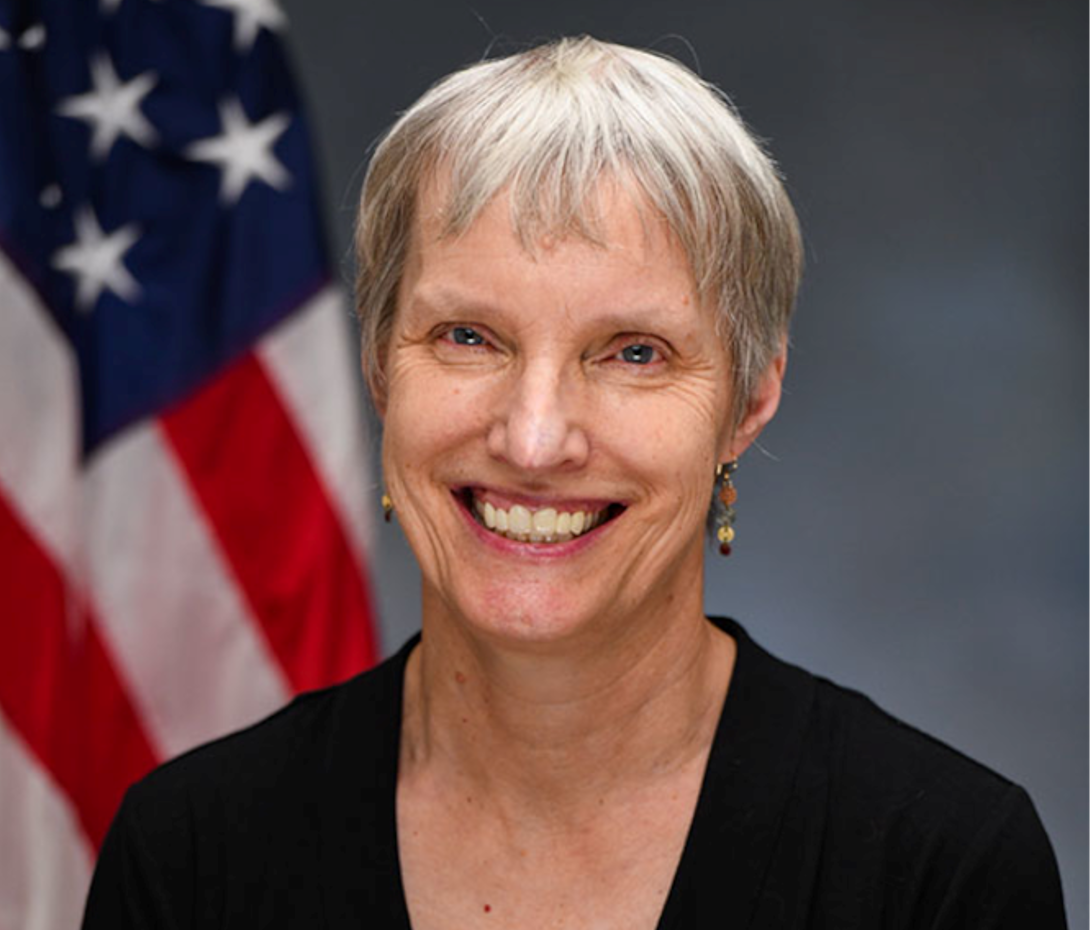
Senator Rachel May represents Central New York’s 48th District, including the City of Syracuse, parts of Onondaga County, and Cayuga County. She is the chair of the Consumer Protection Committee and the Legislative Commission on Rural Resources.
