
Closing the Gap Between Health Policy and Patient Reality
 For many Black women in New York, barriers to care are not confined to a single moment or condition. They are part of a broader health care experience marked by high medication costs, delayed treatment, and financial stress that lingers long after a doctor’s visit ends.
The 340B Drug Pricing Program was created to address precisely these kinds of barriers by allowing safety-net providers to stretch federal dollars and better serve patients with the greatest need. In practice, however, the relief patients expect to feel has been difficult to see.
Patients rarely know whether the hospital they visit participates in the program or how savings are used. What they do know is the reality they face: high out-of-pocket costs, delayed treatment because of price, and hours spent calling pharmacies to locate medications that should already be accessible.
In New York, hospitals participating in 340B maintain thousands of contracts with pharmacies across the country, many far from the neighborhoods where patients are struggling to afford care. At the same time, most 340B hospitals in the state provide below-average levels of charity care. For patients already navigating financial strain, this raises a basic and reasonable question: where are the savings going?
The stakes are particularly high for Black women. We experience higher rates of maternal mortality, cancer mortality, and chronic disease, alongside persistent disparities in income and insurance coverage. Delayed care, untreated conditions, and financial barriers often intersect at the most vulnerable moments, including pregnancy, postpartum care, and the management of chronic illness. When a safety-net program operates without clear accountability, it risks reinforcing inequities rather than alleviating them.
Concerns about 340B are no longer limited to policy experts. Civil rights and patient advocacy organizations in New York, including the NAACP, have raised questions about whether the program is functioning as intended. While perspectives differ on specific reforms, there is broad agreement on one principle: a program of this size should be able to demonstrate meaningful benefits for the patients it was designed to help.
This expectation reflects what patients and advocates have been saying for years, and what a broader national conversation on patient rights and health care affordability is now beginning to acknowledge. Recent work by the Center for American Progress echoes what patients already experience: opaque pricing, limited transparency, and administrative hurdles delay care and push families deeper into medical debt. Patients deserve clear information, reliable access to treatment, and financial protections that prevent illness from becoming a lasting economic burden. Safety-net programs should reinforce these basic rights, not operate without them.
This is not a call to eliminate 340B. The intent behind the program is worth preserving, and the same transparency and reinvestment expectations that apply to federally funded providers like FQHCs and Ryan White clinics should also apply to PBMs and large hospital systems. Intent alone does not expand services, improve access to care, lower a patient’s bill, shorten delays at the pharmacy, or ease the stress of choosing between medication and basic necessities.
If 340B is to fulfill its promise, reform must start with patients. That means clear expectations for how savings are used, transparency communities can understand, and a direct connection between program participation and outcomes patients feel in their daily lives, including lower out-of-pocket costs, access to nearby pharmacies, and timely treatment. A safety-net program that fails to reduce those pressures is falling short of its purpose.
As state policymakers consider proposals related to 340B, the central question should be whether the program is improving affordability and access for patients. Growth alone is not a measure of success, and participation alone is not enough. The true test is whether patients experience fewer barriers and real financial relief. A patient-focused 340B program is achievable, but only if success is measured by real-world impact and accountability.
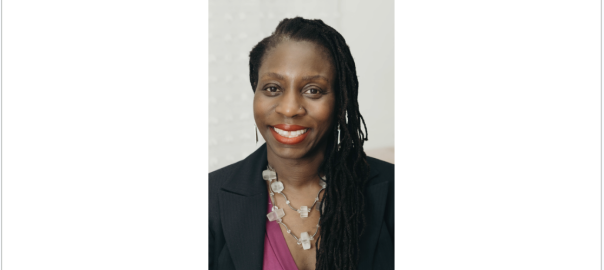
Ifeoma C. Udoh, Ph.D. is the Executive Vice President of Policy and Research at the Black Women’s Health Imperative. BWHI is the oldest national organization dedicated solely to improving the health and wellness of our nation’s 21 million Black women and girls – physically, emotionally and financially.
*Sponsored Content*
