

SEQR-ing A Better Way to Build
New York is at a crossroads. Facing a persistent housing shortage, rising costs of living, skyrocketing energy prices, aging infrastructure and uneven economic growth, the state needs pragmatic solutions that can unlock development while maintaining environmental stewardship. Governor Kathy Hochul’s support for targeted changes to the State Environmental Quality Review Act (SEQRA) represents exactly that kind of balanced approach. As we laid out in the ‘Blueprint for New York: Creating a Roadmap for Change,’ the policy must recognize both the urgency of building and the importance of protecting New York’s natural resources.
SEQRA was enacted with good intentions: to ensure that environmental impacts are carefully considered before projects move forward. But over time, the law has increasingly been used not just as a safeguard, but as a tool to delay or block development altogether. Lengthy reviews, duplicative processes, and the threat of litigation have made it difficult for housing and infrastructure projects to get off the ground. In a state where demand for housing and infrastructure far outpace supply, these delays carry real consequences.
Governor Hochul’s proposed reforms aim to streamline SEQRA without dismantling its core protections. By clarifying standards, reducing unnecessary redundancies, and limiting frivolous challenges, these changes would allow responsible projects to proceed more efficiently. This is not about cutting corners—it’s about cutting through bureaucracy that no longer serves its original purpose. The Governor’s proposal also recognizes the need for housing and infrastructure investments in urban, suburban, and rural communities across the state. Other proposals fall short of the mark to meet the moment.
The benefits of such reforms would be immediate and tangible. First, accelerating the pace of construction would directly address New York’s housing crisis, creating thousands of good paying constructions jobs. From New York City to suburban communities and upstate towns, a lack of available housing has driven up rents and home prices, putting pressure on families and pushing workers out of the state. Making it easier to build—especially near transit hubs and job centers—would increase supply and help stabilize costs.
Second, faster project approvals would stimulate job creation. Construction is a major driver of employment, supporting not only builders but also architects, engineers, suppliers, and countless small businesses.
The status quo has environmental costs. When housing is scarce, people are pushed farther from where they work, leading to longer commutes, increased traffic, and higher emissions. Enabling smart, transit-oriented development is not just an economic imperative—it’s an environmental one.
Governor Hochul’s approach reflects a recognition that New York cannot afford to stand still. Reforming SEQRA is not about choosing between growth and protection; it’s about modernizing a system so it can deliver both. By supporting these changes, New York has an opportunity to build more housing, create more jobs, and foster a more sustainable future—all at the same time.
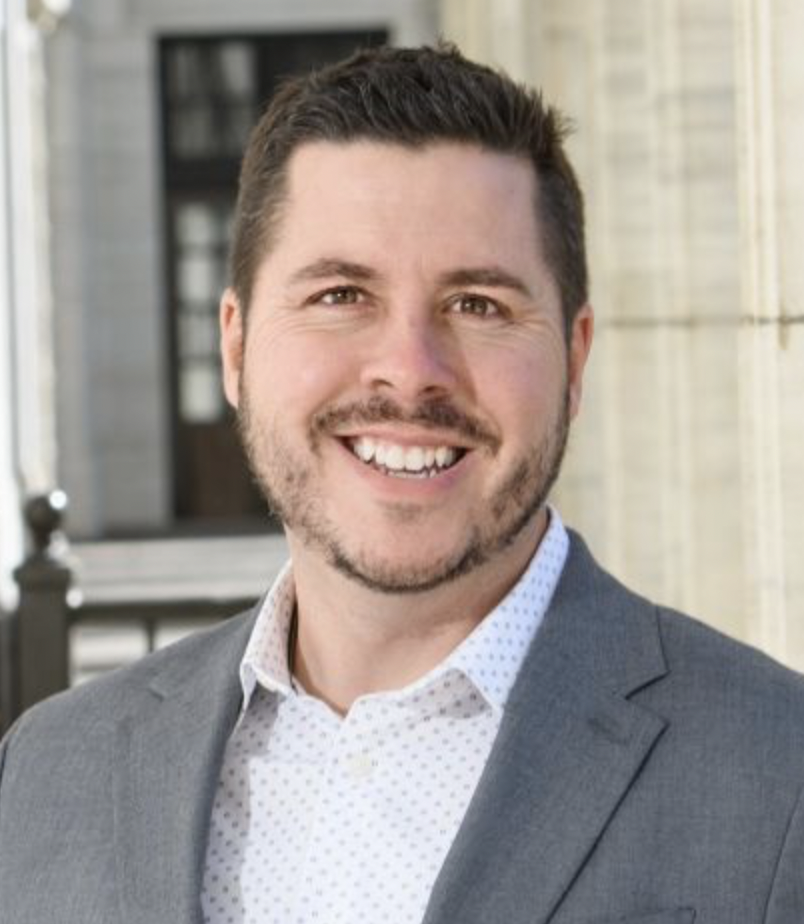
Ryan M. Silva is Executive Director of the New York State Economic Development Council.
*sponsored content*
