
New York Can’t Stand for Federal Cuts that Limit Healthcare Education
We became nurses because we wanted to care for people in their most vulnerable moments. We have worked the long shifts. We have been in the room at 3am when a family gets bad news. We’re the ones holding the patient’s hand. That’s not abstract to us, that’s Tuesday’s shift. Every day, nurses, medical technicians, and healthcare educators sustain the health and stability of our neighborhoods.
So when we look at what Washington is doing with the One Big Beautiful Bill Act (OBBBA) gutting graduate student loan access, making healthcare education something only the already comfortable can afford, we take it personally. This shuts the door on students who look like many of us, who come from neighborhoods like ours, and who chose nursing because it’s real work that matters. Our healthcare workforce is already stretched to its limits. After nurses in New York spent more than 40 days on strike this year, the last thing we should be doing is making it harder for the next generation of healthcare workers to enter the field.
In our respective roles, in the legislature and frontline healthcare leadership, we see this crisis unfolding across our state. Hospitals, nursing homes, and community clinics are struggling to retain staff. Patients wait longer to be seen, and nurses carry heavier caseloads. Rural health centers are closing maternity wards due to lack of funding and resources. Urban hospitals like those in our communities are fighting to keep emergency rooms fully staffed, placing increasing strain on providers and compromising timelycare. Behind these challenges is a simple and solvable problem: too few trained professionals are entering the field.
And yet, instead of strengthening the pipeline, Washington has chosen to weaken it. Making higher education less accessible to nurses will further limit access to care in urban, rural, and underserved communities throughout New York.
Let’s be clear who this hurts: working class students, first generation students, and people of color – many of whom choose nursing because it’s a path to stable work and a way to give back. And ultimately, it hurts New Yorkers who depend on a strong, well-trained healthcare workforce. We know this personally because nursing gave us opportunity and stability while allowing us to build a life rooted in service and dignity to others. That door was open because access to education existed, and we cannot allow it to be slammed shut for the next generation.
This is not just a workforce issue. It’s a public health crisis. When government fails to invest in training and education, hospitals are left scrambling and communities are left vulnerable. We saw that during the COVID-19 pandemic, when shortages pushed nurses to the brink and left hospitals scrambling. We should have learned from that trauma, and we will not stop fighting until every community in this state is protected.
Investing in healthcare education is also financially responsible. When positions go unfilled, the state must spend more on temporary fixes like contract staff, and emergency subsidies. Those costs add up quickly. Supporting the healthcare workforce, and students who want to serve their communities is far more sustainable.
We cannot meet the demands of our healthcare system if we starve the workforce prepared to serve it. New York has always been a national leader in medical excellence and academic innovation. Abandoning that legacy now would be a disservice. The legislature must act swiftly to support students and step in where Washington has failed. Our caregivers deserve a country that stands with them, not one that pulls back support when they need it most. Investing in healthcare education is essential to the future.
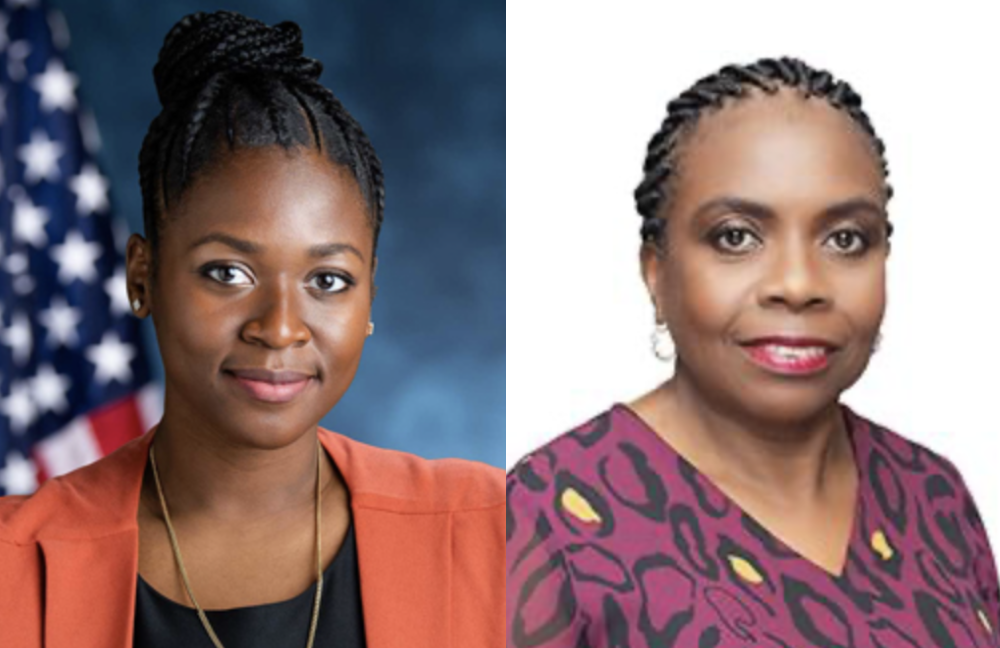
Assemblymember Souffrant-Forrest and Secretary Michelle Jones, MSN, RN, ANPC of the New York Nurses Association (NYSNA)
