
The Power of Rural Healthcare in Upstate New York: A Call to Action on National Rural Health Day
Today, on National Rural Health Day, we honor the extraordinary healthcare professionals serving rural Upstate New York: the doctors, nurses, emergency responders, medical technicians, and countless support staff who show up every day for their neighbors across 32 counties and nearly 28,000 square miles of our region. As we mark the day, we must recognize that we are at a critical moment for rural healthcare.
The Iroquois Healthcare Alliance represents more than 50 hospitals and health systems across Upstate New York, from the smallest hospital in the state to some of the largest teaching hospitals in the region. We serve communities from the Adirondacks to Central New York, from the Southern Tier to the St. Lawrence River valley. These are places where neighbors know each other, support one another, and depend on their local hospital not just for healthcare, but as an anchor of community stability and economic vitality.
As we prepare for the road ahead, we have shared with policy makers our priorities for the coming year. First and foremost, we are asking policymakers to do no harm by protecting existing programs and funding. Our other areas of focus are ensuring supportive funding for hospitals in Upstate, addressing workforce shortages by enacting professional licensure compacts and scope of practice flexibilities, building and expanding the healthcare workforce pipeline, and providing resources for capital and infrastructure improvements and technological innovation.
An Unprecedented Crisis
Rural healthcare in Upstate New York is facing serious challenges. The passage of H.R.1, the federal budget reconciliation law, has brought unwelcome uncertainty for our hospitals and the communities they serve.
This comes as our providers are already navigating converging challenges: financial distress, workforce shortages, aged infrastructure, and the realities of an older population.
Workforce Crisis: There are nearly 10,000 vacant staff positions across our membership. Every day, our facilities work to recruit and retain the healthcare workforce their communities need. This isn’t just a staffing issue. It’s about access to care.
Financial Distress: Many rural hospitals operate with negative or razor-thin margins. Higher rates of poverty and chronic disease, combined with reimbursement challenges, create an untenable situation where those who need care most have the least capacity to support the infrastructure that provides it.
Infrastructure and Capital Limitations: Aging facilities and limited access to capital leave many rural hospitals unable to modernize or expand services, even as community needs grow.
Geographic Realities: Our providers serve vast distances, from remote mountain communities to isolated farming towns, where every minute counts in an emergency and specialty care may be hours away.
Beyond Securing Funding – What Happens Next Matters More
The Rural Health Transformation Fund is a bright spot within H.R.1., the federal budget reconciliation law signed earlier this year. To be clear: this funding will not offset the law’s harmful provisions. In July, I urged Governor Hochul to ensure New York takes the necessary steps to access these resources fully and engage in a collaborative planning process with hospitals in rural and Upstate New York. We appreciate the state’s work in submitting this application and support their efforts to secure these critical resources for New York.
As we await federal review of the state’s application, the real work is just beginning. Securing funding is only the first step. How these resources are deployed and ensuring rural providers have a meaningful voice in implementation will help mitigate the damage of H.R.1.
Our rural hospitals and the communities who depend on them deserve transparent, inclusive implementation that puts long-term sustainability at the forefront. To effectively allocate these resources, the State must continue to engage those who provide services, live, and work in rural communities every day.
The Real Power of Rural
The “Power of Rural” is real in Upstate New York. It’s in every nurse working a night shift, every doctor choosing to practice in a small town, every EMT rushing to help a neighbor. But it’s also in the communities themselves: the families raising children in peaceful valleys, the farmers feeding our state and nation, the small business owners anchoring local economies.
Quality healthcare is essential to keeping these communities vibrant. When hospitals close or reduce services, young families leave and economic development stalls. When rural hospitals thrive, communities flourish. Good jobs attract talented professionals. Residents feel secure knowing emergency care is nearby. The quality of life improves for everyone.
A Call to Action
Governor Hochul has been a strong supporter of hospitals in Upstate and rural New York, and for that, we are grateful, but we need that continued support now more than ever as we face the fallout from H.R.1.
The submission of New York’s Rural Health Transformation Fund application represents a critical first step. Now, as we move into implementation, that support must translate into continued collaboration and accountability.
As these historic resources begin flowing to New York, state leaders must:
- Continue engaging rural and Upstate hospital leaders throughout implementation
- Establish transparent decision-making processes for how transformation funds are allocated and distributed
- Prioritize workforce development as the foundation of rural health transformation
- Ensure equitable distribution that recognizes the diverse needs of rural facilities across Upstate New York
- Support long-term sustainability rather than short-term fixes
As the independent voice of Upstate and rural hospitals, IHA stands ready to work with state leaders, facilitate communication with our membership, and ensure that transformation funding truly transforms rural healthcare in New York.
Looking Ahead
On this National Rural Health Day, we honor the incredible people who make rural healthcare possible. But let us also commit to action, to ensure every available resource to protect rural health in Upstate New York.
Our rural hospitals are more than buildings with beds and equipment. They are institutions woven into the fabric of community life, trusted neighbors in times of crisis, and essential infrastructure for community vitality. They are worth honoring today and worth fighting for every day.
The “Power of Rural” is real in Upstate New York. Now is the time to prove it.
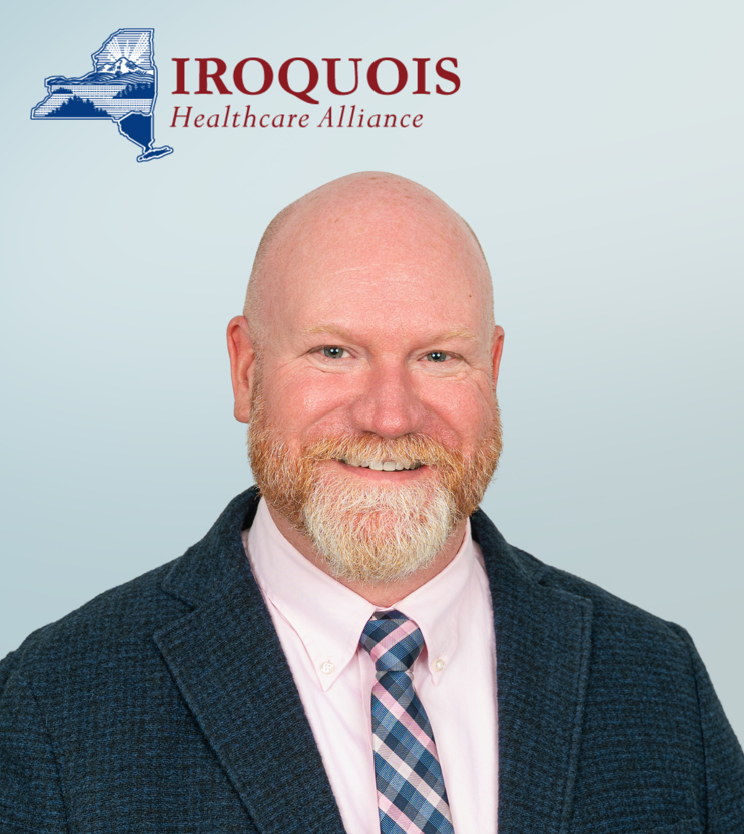
Kevin M. Kerwin, Esq., is President and CEO of the Iroquois Healthcare Alliance, which represents more than 50 hospitals and health systems across 32 counties of Upstate New York. For more information, visit iroquois.org.
*sponsored content*
