
New York State faces an alarming energy affordability crisis
February 20, 2026
The Honorable Kathy Hochul
Governor of New York State
NYS State Capitol Building
Albany, NY 12224
Dear Governor Hochul,
As you well know, New York State faces an alarming energy affordability crisis, with rising utility bills further burdening already cash-strapped New Yorkers. As of December 2025, over 1.28 million households are behind on their energy bills by 60 days or more with utility arrears reaching a staggering $1.84 billion – nearly two and a half times the amount owed prior to the pandemic in December 2019.
The issue is only exacerbated by the active attacks on essential financial assistance programs – including Supplemental Nutrition Assistance Program (SNAP) and Home Energy Assistance Program (HEAP) – from the federal government, forcing many New Yorkers to choose between feeding their families and heating their homes. Most recently, this winter’s prolonged cold snap has caused supply costs to more than double.
New Yorkers need immediate and real relief from increased utility costs; life needs to be affordable. We seek to partner with you and our legislative colleagues on the following short-term and long-term solutions; providing relief today while making energy more affordable for tomorrow.
Short-term solutions
Pause state taxes on utility bills
Temporarily pausing these state taxes can lower utility bills, particularly when supply and delivery costs are at an all time high.
Return, via bill credits to all New Yorkers, previously collected, unused Clean Energy Funds that utility companies hold in escrow
As of December 2025, $770.6 million of the money collected for the Clean Energy Fund is still being held by utilities on their balance sheets. Returning to ratepayers a meaningful portion of this funding would provide real and immediate relief for our constituents in the form of bill credits without jeopardizing energy affordability and clean energy programs that these funds support.
Reduce costs to ratepayer by increasing the percentage of Regional Greenhouse Gas Initiative (RGGI) funding above projected revenues used to implement ratepayer funded programs
We applaud the approved RGGI Operating Plan Amendment for 2026 directing 34% of any RGGI auction proceeds in excess of their projected revenues to implement ratepayer funded programs, but we request that this percentage be increased. This will prompt the Department of Public Service (DPS) to reduce ratepayer collections by a proportionate amount.
Long-term solutions
Return all excess revenues above the utilities approved return on equity (ROE) to ratepayers (A.8150)
The authorized return on equity (ROE) established by the PSC is based on a series of assumptions and, as rate cases that are settled typically span 3 years, utilities often earn in excess of their authorized ROE and are typically allowed to keep a significant portion of that excess profit. This process heavily favors the utility as opposed to the ratepayer. According to a Public Utility Law Project (PULP) analysis, utilities have received nearly $255 million in excess earnings from 2022-2025 with ratepayers only receiving just 14.2% of that excess revenue. All earnings in excess of a utilities approved ROE should be returned to ratepayers via bill credits, as outlined in A.8150.
Create an Office of Energy and Equity and Energy Affordability Fund (A.9621)
There are currently multiple energy affordability initiatives run by different state agencies and authorities – Energy Affordability Program (EAP) at DPS, HEAP run by OTDA, REACH at NYPA and Empower Plus run by NYSERDA, among others – and more forthcoming. This has proven confusing and resulted in these programs being under subscribed; for example, it is estimated that only half of income-eligible households utilize the EAP.
The establishment of an independent centralized Office of Energy and Equity and an Energy Affordability Fund, as proposed in A.9621, would help ensure equitable access to all available programs, streamline administration, and maximize support for low-moderate income households. Additionally, consolidating these programs under the Department of State would enhance transparency, accountability and effectiveness of these programs and could house additional utility consumer protection services, like utility intervenor funding.
While a number of bills and solutions have been proposed by our colleagues to address similar issues, we write to urge immediate action to meet the energy affordability crisis of this moment and offer the above solutions. We all hear from our constituents regularly and they are distraught over their utility bills. We must provide New York ratepayers with relief now – we – and they – cannot wait.
Sincerely,
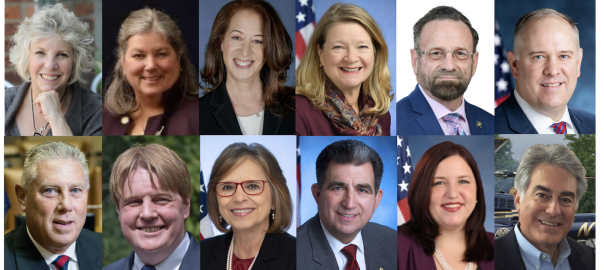
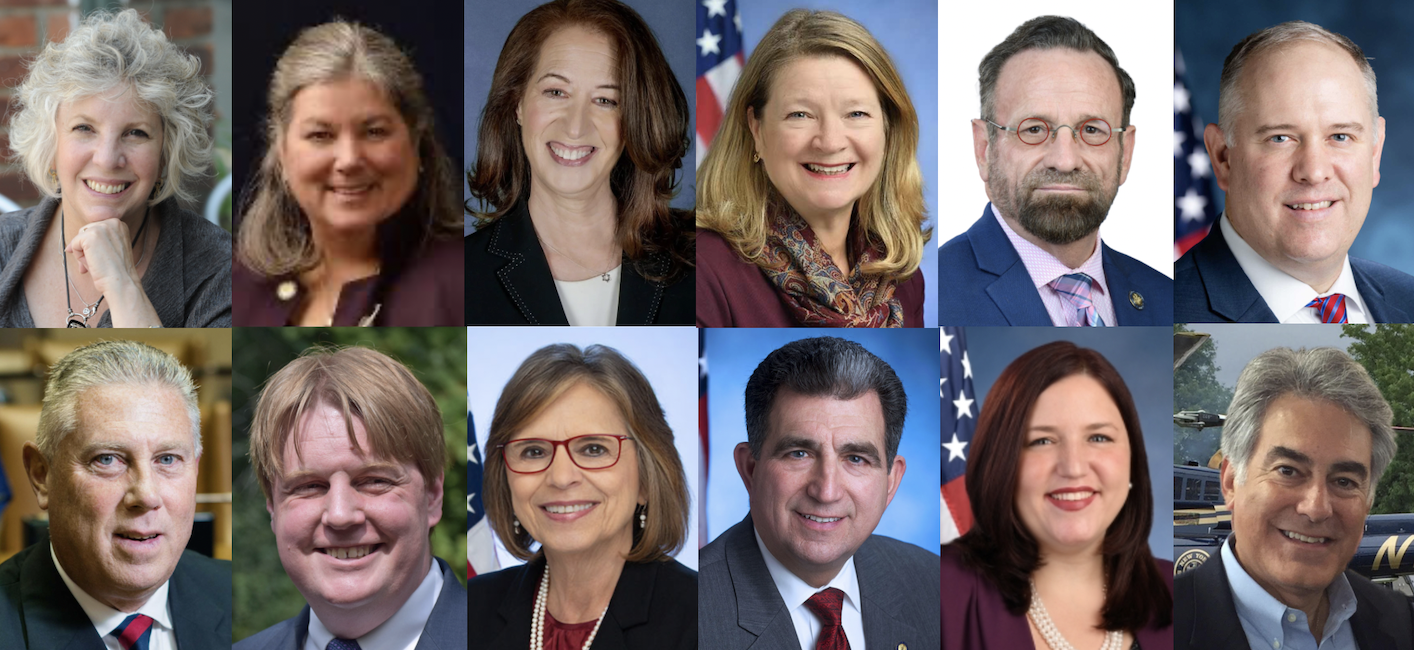
Didi Barrett
Member of Assembly, 106th District
Chair, Energy Committee
Carrie Woerner
Member of Assembly, 113th District
Paula Kay
Member of Assembly, 100th District
Karen McMahon
Member of Assembly, 146th District
Harry Bronson
Member of Assembly, 138th District
William Conrad
Member of Assembly, 140th District
John McDonald III
Member of Assembly, 108th District
Michael Cashman
Member of Assembly, 115th District
Donna Lupardo
Member of Assembly, 123rd District
William Magnarelli
Member of Assembly, 129th District
Jen Lunsford
Member of Assembly, 135th District
Al Stirpe
Member of Assembly, 127th District
